
Editor’s Note: The following (lightly edited) guest article comes from Lee Witham, a former professional squash player and the founder of CourtPro+, a global procurement, project management, and export services company serving clients across North America, the U.K., Australia, and New Zealand, now headquartered in Puerto Rico.
I’ve had the pleasure of playing on the Jubo Padel courts Lee and his team have installed everywhere from Denver (at the Denver Racquets Club) to Charlottesville, VA (at the Boar’s Head Resort) to here at home in Charleston, SC (at LTP Daniel Island and the Daniel Island Club).
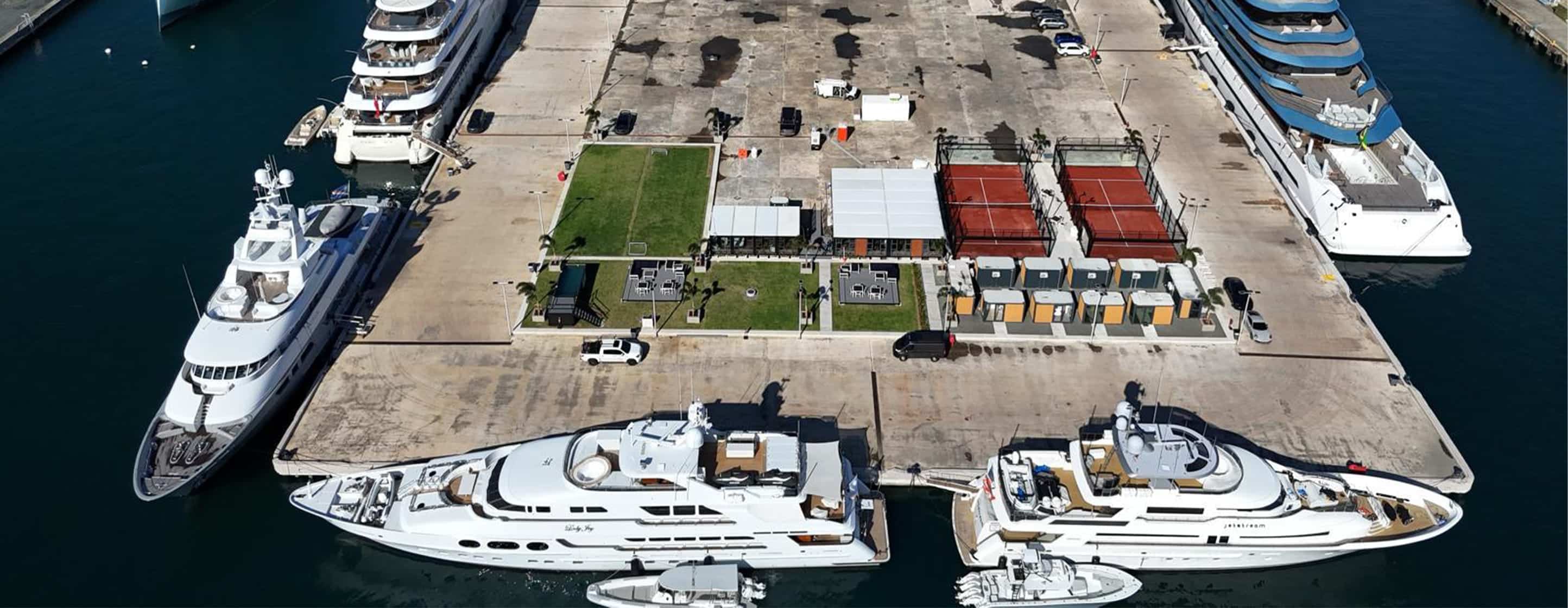
So, when Lee reached out asking if I had any interest in an article about the rise of padel in Puerto Rico, I jumped at the chance to have him share his unique insights with our readers. Enjoy!
Having first visited Puerto Rico 25 years ago, I’ve watched the island undergo dramatic improvements in infrastructure over the decades. But one thing has never changed across any of my visits: the warmth of the people, their love of community, and their passion for sport.
From the moment I arrived, it was clear to me that padel would be a natural fit here — and Puerto Rico’s relationship with padel is no accident.
As a U.S. territory with deep Spanish heritage and strong Latin American cultural ties, the island sits at a unique crossroads. Spain remains the undisputed heartland of the sport, home to over 17,000 courts and the world’s leading players, and that cultural familiarity has clearly filtered through. It goes a long way to explaining why Puerto Rico’s player community feels more mature than you might expect for such an early-stage market.
Building the Foundation at Dorado Beach
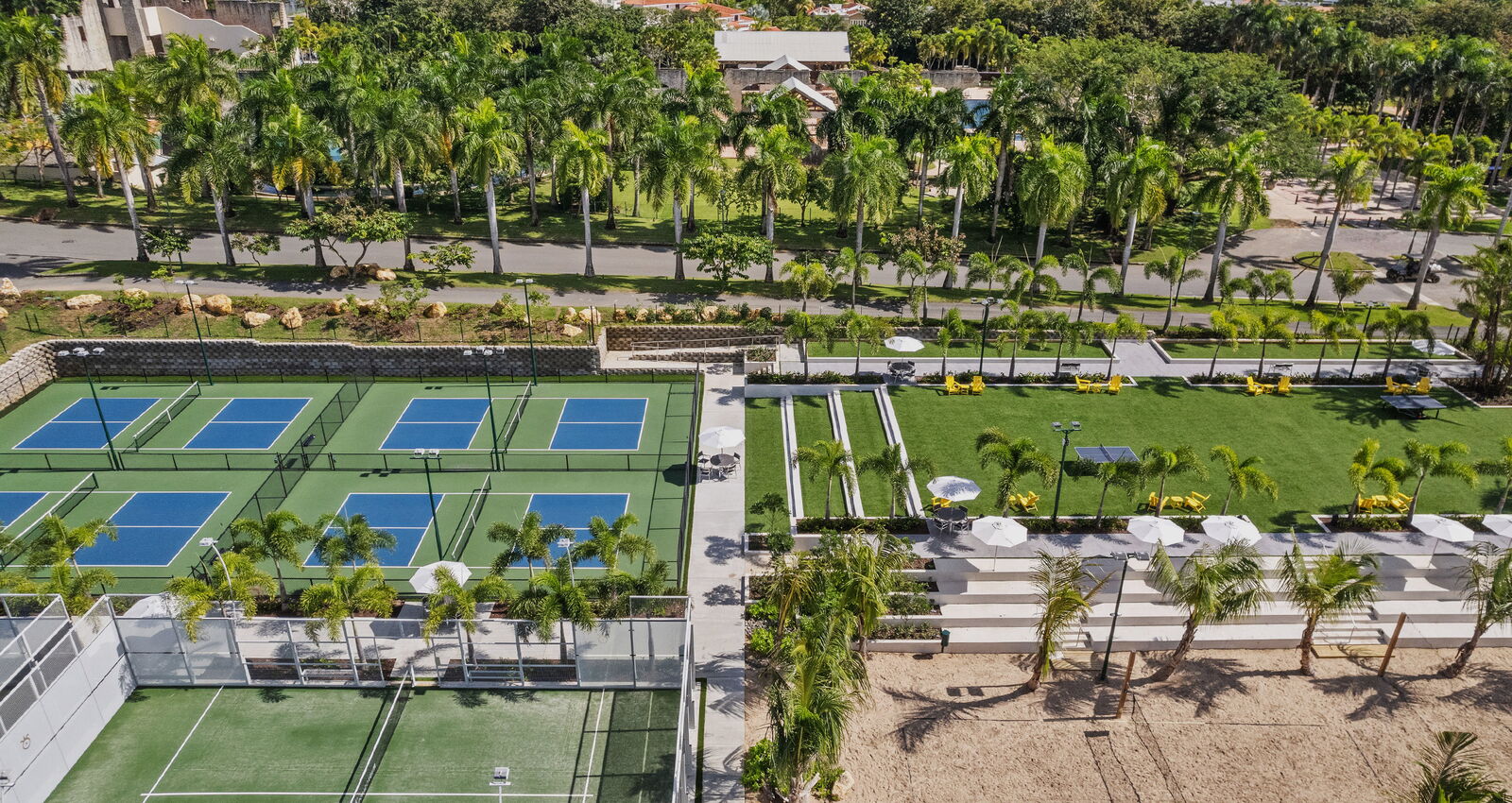
A few years ago, my company had the privilege of helping develop the Sports Hub at the Dorado Beach Resort, one of our earliest projects on the island.
The facility brought together padel, pickleball, beach tennis, and tennis courts, anchored by a spacious lawn and café designed to encourage socializing, a place where kids could run free and families could linger after a match.
Given the resort’s proximity to the beach, careful attention was also paid to minimizing light pollution to protect the surrounding environment, a detail that shaped much of the court and lighting design.
Since then, CourtPro+ has gone on to build premium racquets facilities across the U.S. mainland, including hurricane-rated courts at The Breakers Hotel in Palm Beach and the UVA racquets facility at Boar’s Head Resort in Virginia.
Hurricane-rated construction is something every developer and club in Puerto Rico should be factoring into their plans from the outset, a lesson the island, with its exposure to severe weather, cannot afford to overlook.
At the time of the Dorado project, we were fairly confident it was the only padel facility on the island — little did we know what was coming.
Fast Forward Three Years
Just six weeks ago, my company, CourtPro+, relocated its office to Puerto Rico. Having spent much of the past year in Valencia, Spain, a region with over 200 Padel courts, our first concern on arriving was whether finding courts to play on would be a struggle.
As it turns out, we were right to worry — but for entirely the wrong reason.
When searching for a home, I actually stipulated to our broker that the property had to be near padel courts. Within a few days of arriving, we were pleasantly surprised by how much the sport had taken root across the island. This includes:
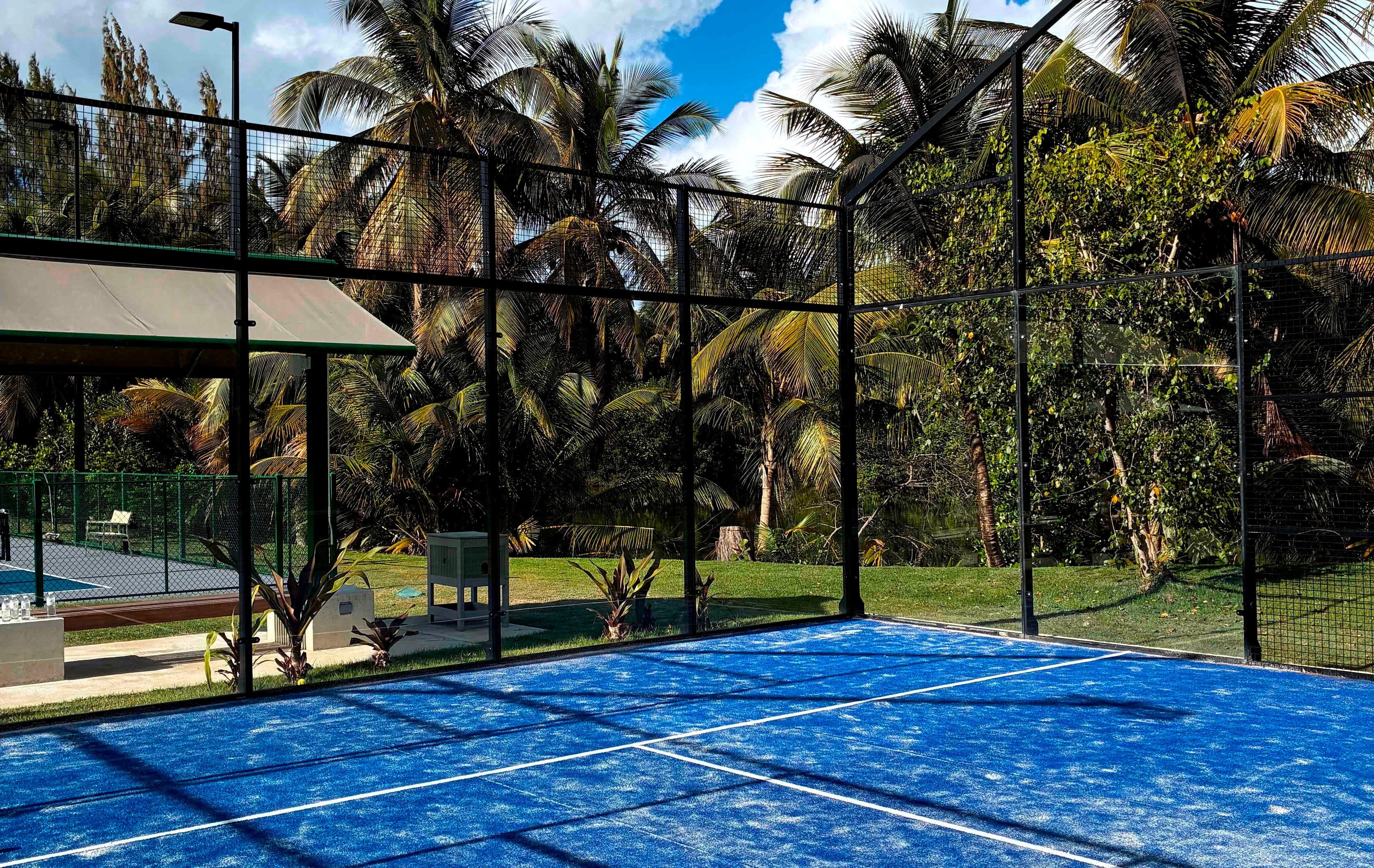
Two outdoor courts at the Dorado Beach Resort (a Ritz-Carlton partner)… Three outdoor courts at the Riviera Tennis Center… Two outdoor courts at Eco’s Sports Park… Three canopy-covered and one outdoor court at The Drop Club… Four canopy-covered courts at Smash Labs Racquet Club… Two outdoor courts at the Four Seasons Bahía… Two outdoor courts at the Safe Harbor Marina San Juan, and… Two indoor courts at The Grounds (more on this in a minute)…
This is, of course, in addition to various private courts around the island.
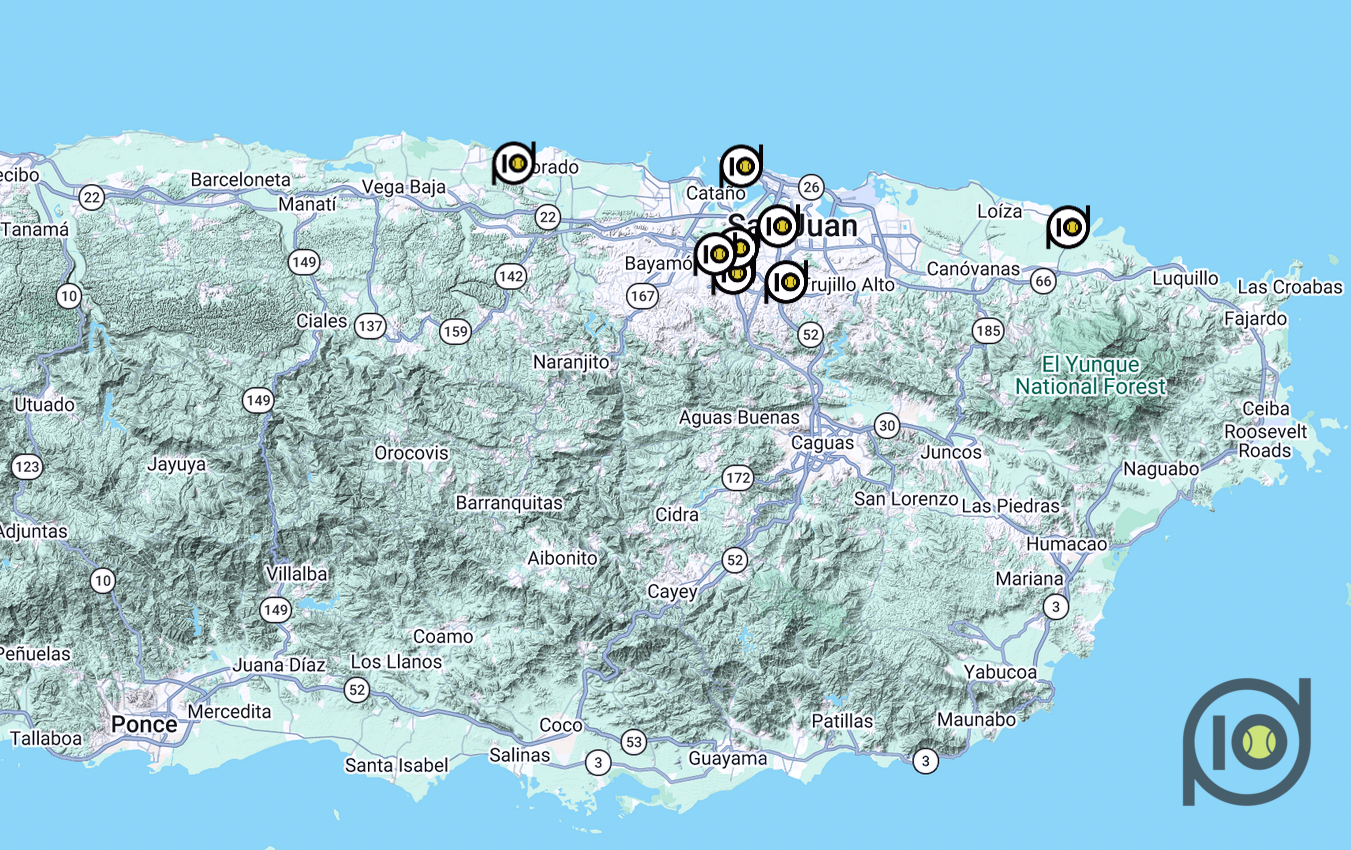
As I’ve witnessed firsthand, a growing number of padel clubs have established themselves in Puerto Rico, and the community is vibrant and enthusiastic.
A Community Built Around the Court
We were fortunate enough to find a home in the Riviera, a residential community that features three padel courts, with plans to add a fourth and cover one with a canopy.
The courts sit alongside pickleball, tennis, and beach tennis facilities, and an open-concept clubhouse ties it all together.
I recently had the chance to play with Augustín Rojo of VRM Companies, an accomplished padel player himself and the developer behind the Riviera, who told me that the racquets facility is a cornerstone of the development and of their future projects.
Residents enjoy complimentary court access when courts aren’t reserved, along with priority booking over non-residents. It’s the kind of community amenity that genuinely changes how people choose where to live.
Augustín put it simply: “It’s a great place to bring people together.” That sentiment resonates, and it was certainly a factor in my decision to move here.
This mirrors conversations I’ve been having with developers in Florida, many of whom are now seriously exploring padel courts as a differentiating feature for their communities.
New Arrivals, Indoor Courts, and Growing Pains
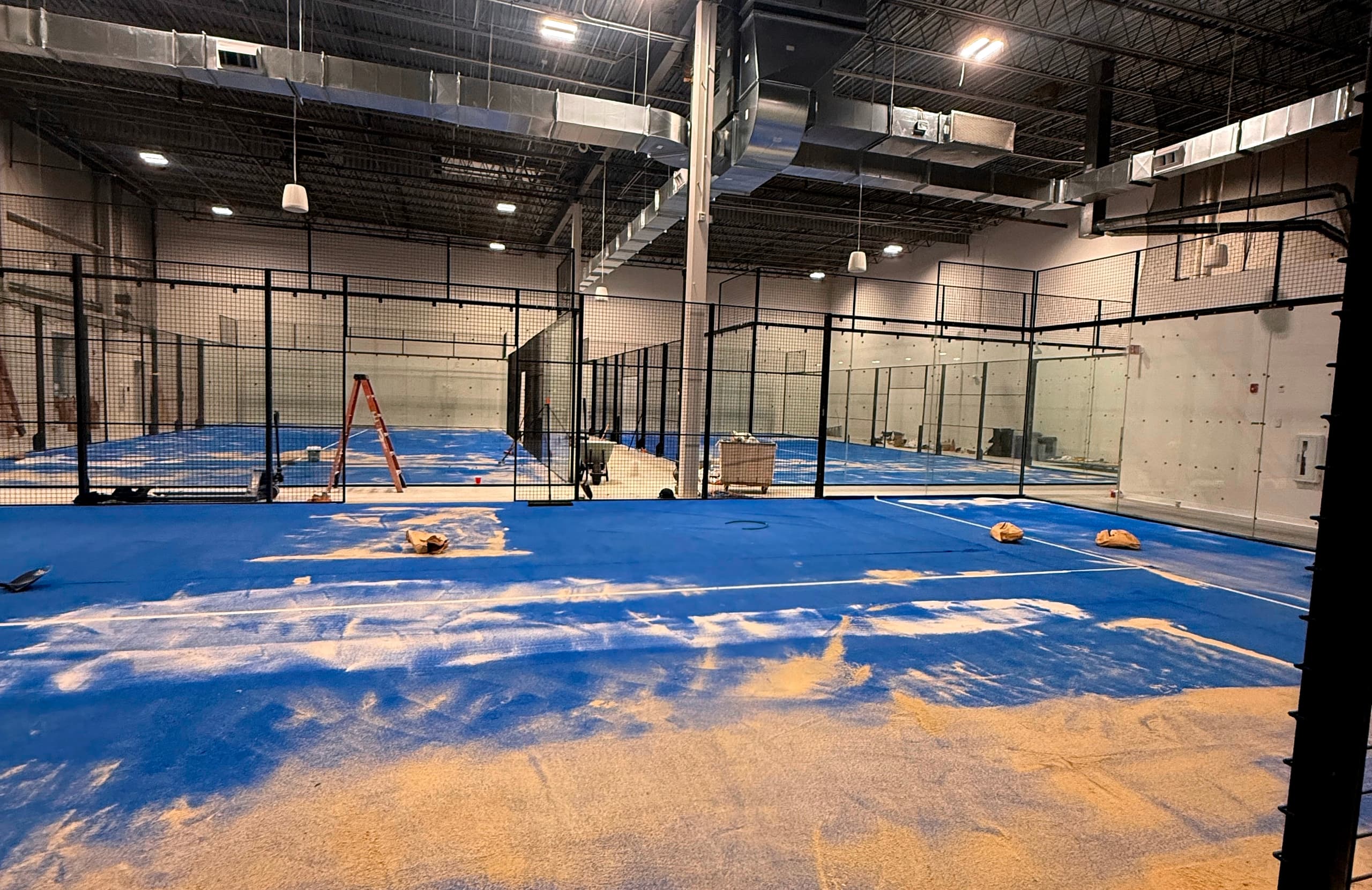
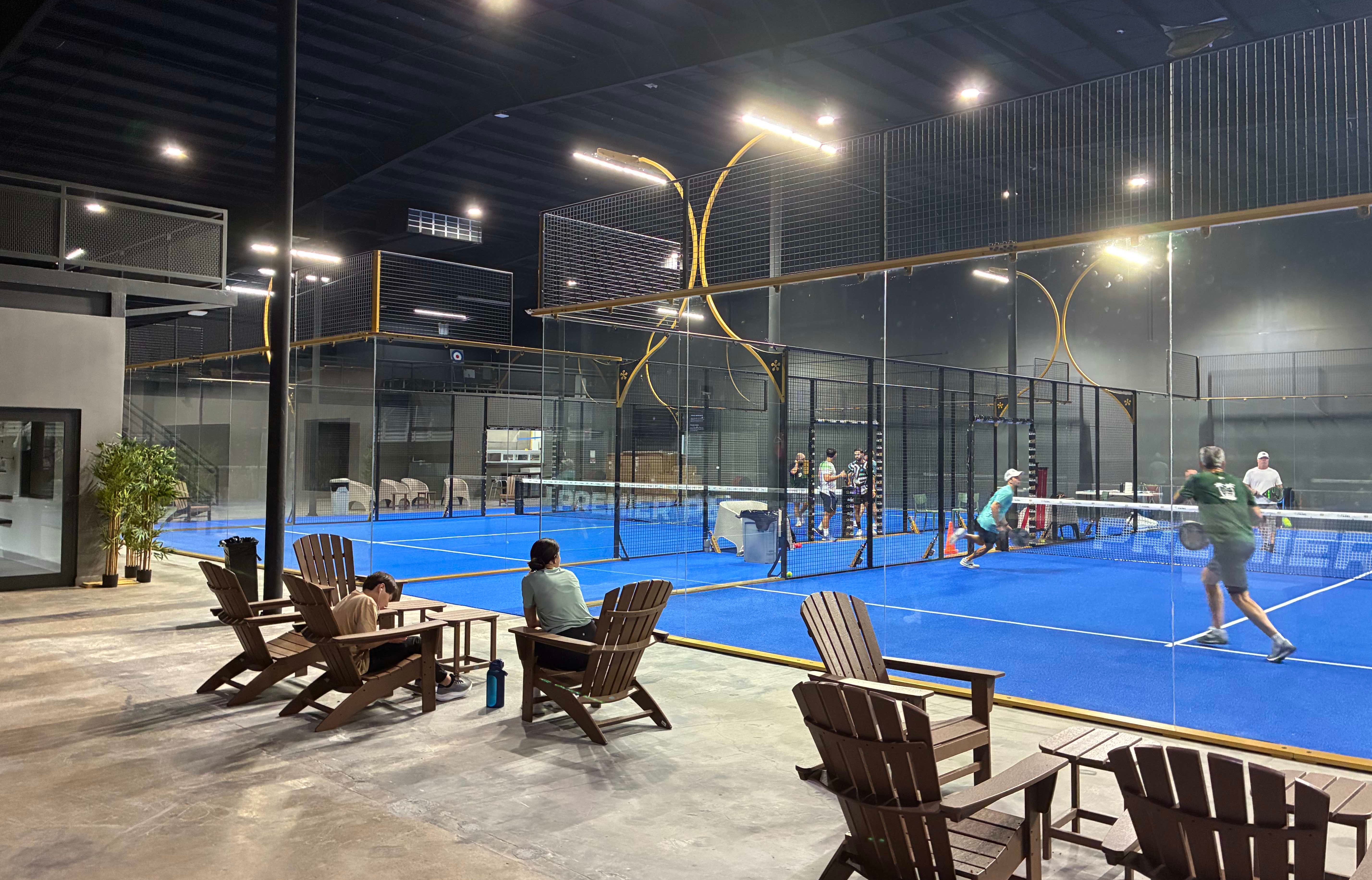
One of the island’s newest additions is The Grounds Club, which recently became the first venue in Puerto Rico to offer indoor padel courts, with a wellness suite set to open this month. It’s an exciting milestone for the sport’s development on the island.
But for all the progress, Puerto Rico’s padel scene is still finding its footing, and there are real challenges to address.
With over 20 courts on the island, Puerto Rico has roughly 20% as many courts as Miami, which is considered the padel capital of the United States. That’s not a bad starting point. But the demand has outpaced the infrastructure. With nearly 600 players in the island’s padel WhatsApp group, securing a court reservation has become almost impossible.
That said, what genuinely impressed me was the quality of the player community itself. Puerto Rican padel enthusiasts are well-versed in the rules and deeply engaged with the sport. Perhaps most striking is the level of play, which is remarkably high given how recently the sport arrived on the island, a strong foundation to build on.
There are also practical infrastructure issues to resolve. Puerto Rico’s rainfall is frequent and heavy, and while pickleball and tennis courts tend to dry relatively quickly, padel courts are a different matter.
Drainage is a persistent issue at several clubs, and as a court builder myself, I’ve observed a number of technical errors in existing setups. These are the kinds of mistakes that tend to happen when experienced court builders aren’t brought in from the start.
Looking Ahead
Despite the growing pains, the trajectory is clear. Puerto Rico’s padel community is passionate, knowledgeable, and growing quickly. The infrastructure is coming: courts are being built, indoor facilities are opening, and developers are recognizing the sport’s power to build community.
One particularly exciting development on the horizon comes from a local entrepreneur I recently met with who brings extensive production and social media experience to the table, with plans to take padel directly to new audiences across the island through a pop-up concept that would bring the sport to different cities — so, be sure to watch this space. And for anyone on the U.S. mainland wondering whether padel has reached Puerto Rico: it has and it’s just getting started.
Enjoy this article? If so, please be sure to subscribe to Padel Nation (for free!) to get exciting updates and important insights on the rapidly emerging U.S. padel scene like this one delivered directly to your inbox 2X weekly — or share it with a padel-playing friend.
Finally, as always, a big thank you to the friends and preferred partners of Padel Nation who help make posts like this possible, including:



Interested in becoming a friend or preferred partner of Padel Nation? Drop us a line here and let’s talk!
Oh, and one other thing… I’ve actually got a full-blown padel book coming out in July. So, if you enjoy the work I’m doing in the U.S. padel space, you can support me by pre-ordering a copy (or two!) online at Amazon or Barnes & Noble. Many thanks in advance.