
Technique
Grip, spin, power. From fundamentals to finesse.
Padel is a sport where technique often beats raw power. While athleticism helps, the players who improve the fastest are those who master the fundamentals, grip, positioning, spin, and shot control. Understanding proper padel technique allows you to generate more power, control rallies, and develop a more strategic game.
The Foundation: Proper Grip
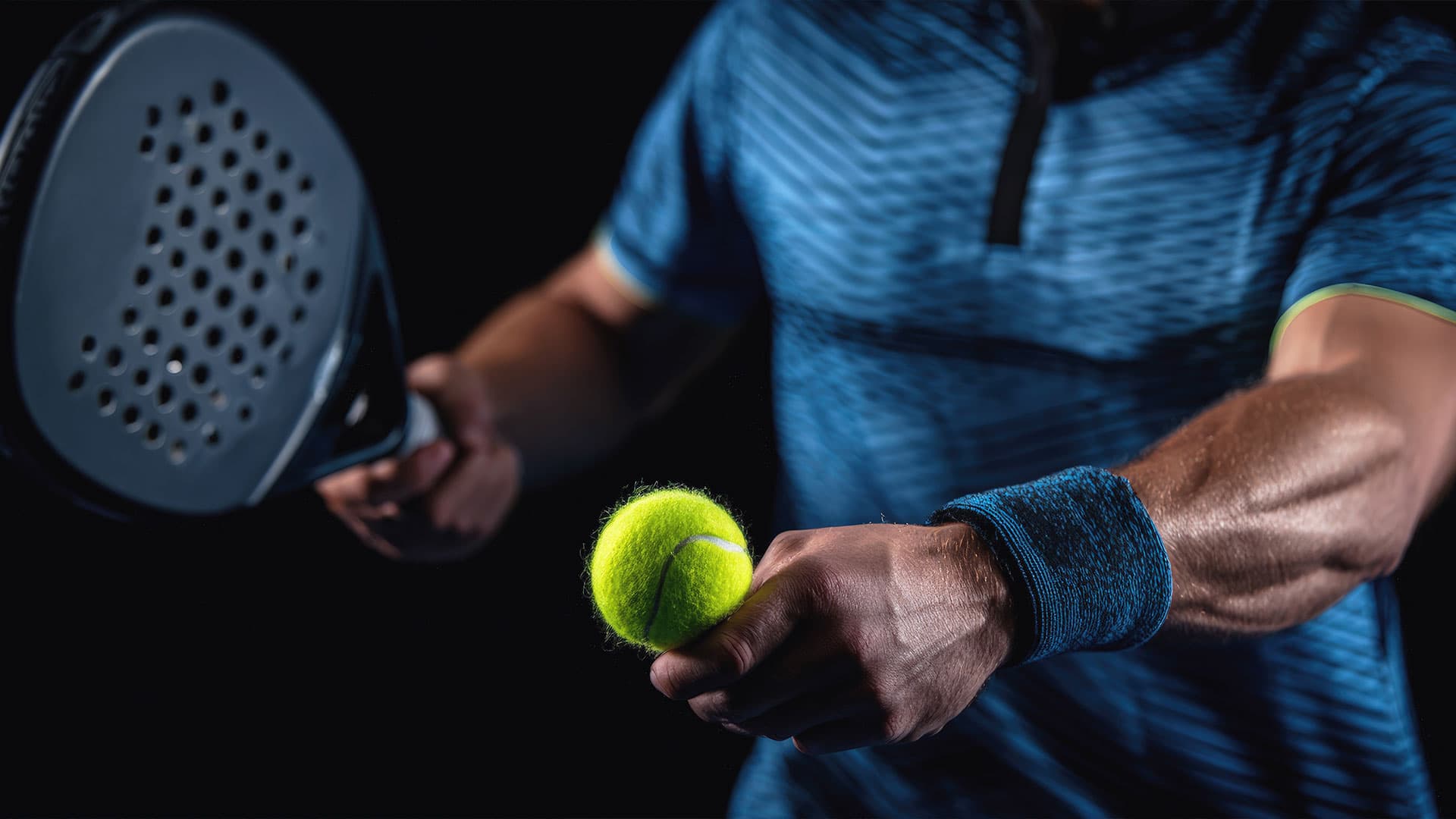
Your grip is the starting point for every shot in padel. Most players use the continental grip, sometimes called the hammer grip, because it resembles the way you would hold a hammer.
Why it works
- Allows smooth transitions between forehand, backhand, volleys, and smashes
- Helps generate slice and spin naturally
- Makes defensive shots easier when reacting quickly
A proper grip keeps your wrist flexible while maintaining control. Holding the paddle too tightly can reduce feel and limit your ability to adjust during rallies.
Footwork and Positioning
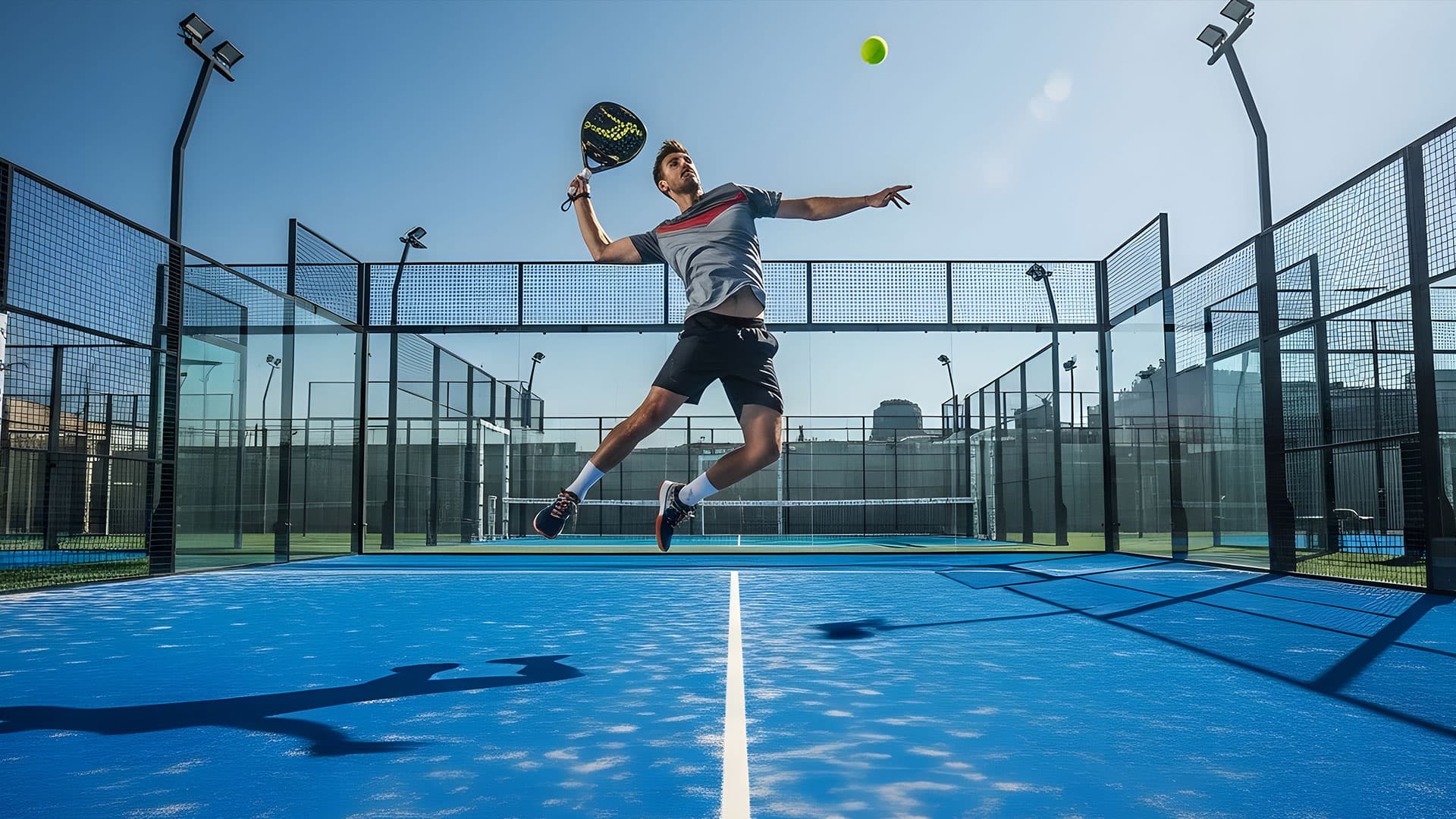
In padel, positioning is just as important as shot selection. Unlike tennis, the game relies heavily on court awareness and movement.
Strong positioning helps players:
- Maintain balance during volleys and smashes
- Recover quickly after defensive shots
- Control the net position, which is key to winning points
Most experienced players aim to control the net area, forcing opponents into defensive positions near the back glass.
Generating Spin
Spin is a critical part of padel technique and can dramatically change how the ball behaves after contact with the walls.
Common types of spin include:
Slice (Backspin)
Often used on volleys and defensive shots, slice keeps the ball low and difficult for opponents to attack.
Topspin
Adds bounce and aggression to attacking shots, particularly when setting up smashes.
Side Spin
Used by advanced players to create unpredictable rebounds off the glass.
Mastering spin allows players to control pace, placement, and unpredictability during rallies.
Power vs Control
Many beginners believe padel is about hitting the ball as hard as possible. In reality, successful players focus on controlled power.
Good technique allows players to:
- Use timing instead of force
- Redirect the ball with accuracy
- Set up attacking opportunities
Power should come from body rotation, positioning, and timing, not just arm strength.
Mastering the Net Game
The net is where most points are won in padel. Strong technique at the net includes:
- Quick volleys
- Controlled angles
- Smart placement
Players who dominate the net can dictate the pace of the match and apply constant pressure. Developing soft hands and precise volleys often separates intermediate players from advanced ones.
From Fundamentals to Finesse
As players gain experience, technique evolves from simple fundamentals into more refined skills.
Advanced players begin to focus on:
- Strategic shot placement
- Deception and disguise
- Reading opponents' positioning
- Controlling rhythm during rallies
At this stage, padel becomes less about reacting and more about anticipating and creating opportunities.
Final Thoughts
Padel technique is built on a simple idea: control first, power second. By mastering grip, positioning, spin, and shot selection, players can develop a smarter and more effective game.
The best players are not always the strongest. They are the ones who understand how to combine fundamentals with finesse.
Because in padel, technique turns every shot into an opportunity.
Frequently Asked Questions
What grip should beginners use in padel?
Most beginners should start with the continental grip because it works across forehands, backhands, volleys, and smashes without constant grip changes.
Why is footwork important in padel?
Good footwork keeps players balanced, helps them recover after defensive shots, and makes it easier to control the net position during rallies.
How do you improve net play in padel?
Improve net play by using compact volleys, controlled angles, and smart placement instead of swinging hard at every ball.