
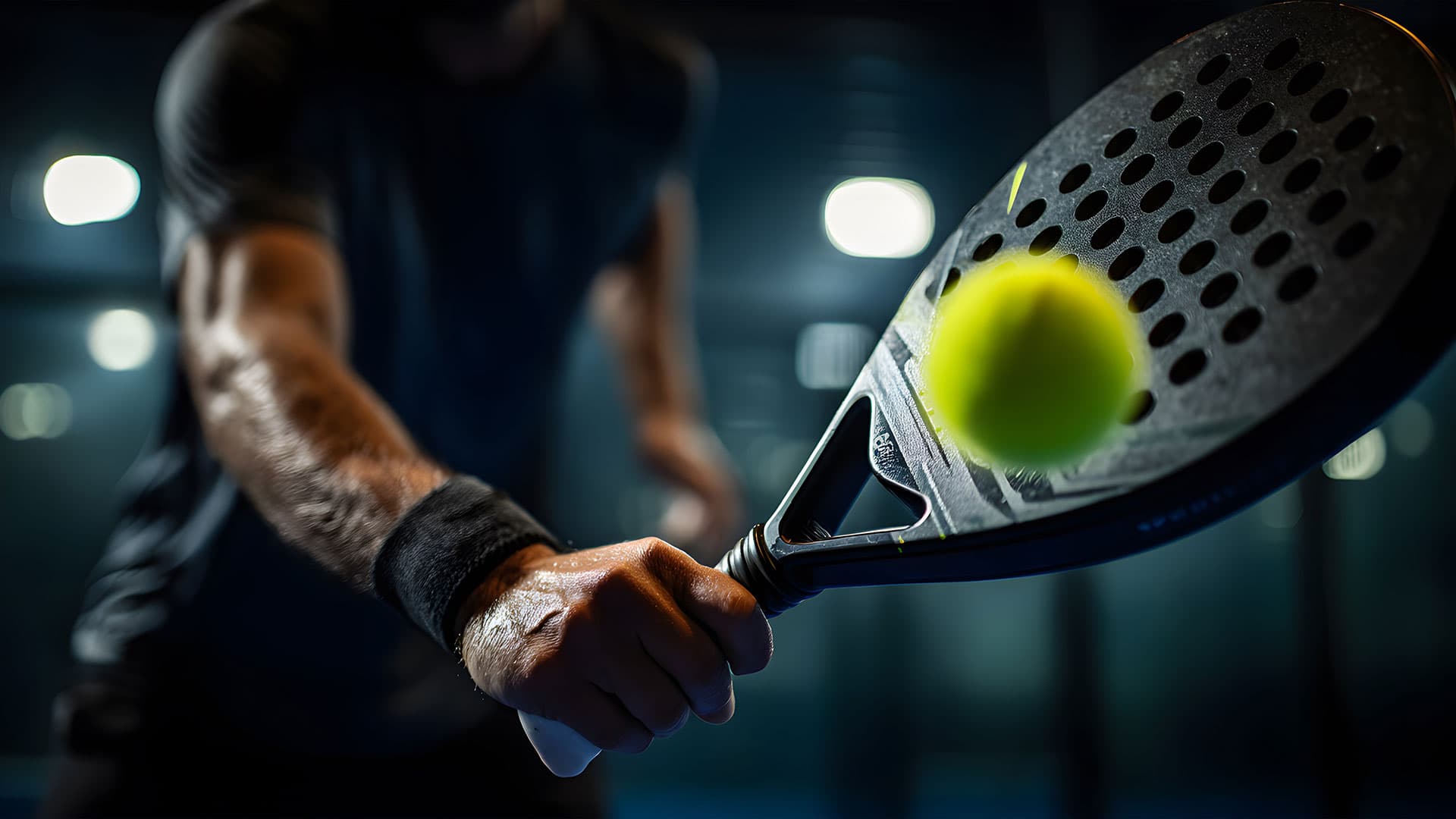
Padel is one of the fastest-growing sports in the world, and choosing the right padel paddle can dramatically impact your performance on the court. Whether you are a beginner learning control or an advanced player looking for power, understanding the differences between carbon vs. fiberglass paddles, paddle shapes, and paddle weight will help you find the perfect fit.
Think of your paddle as your weapon on the court. The right combination of materials, balance, and feel can elevate your game.
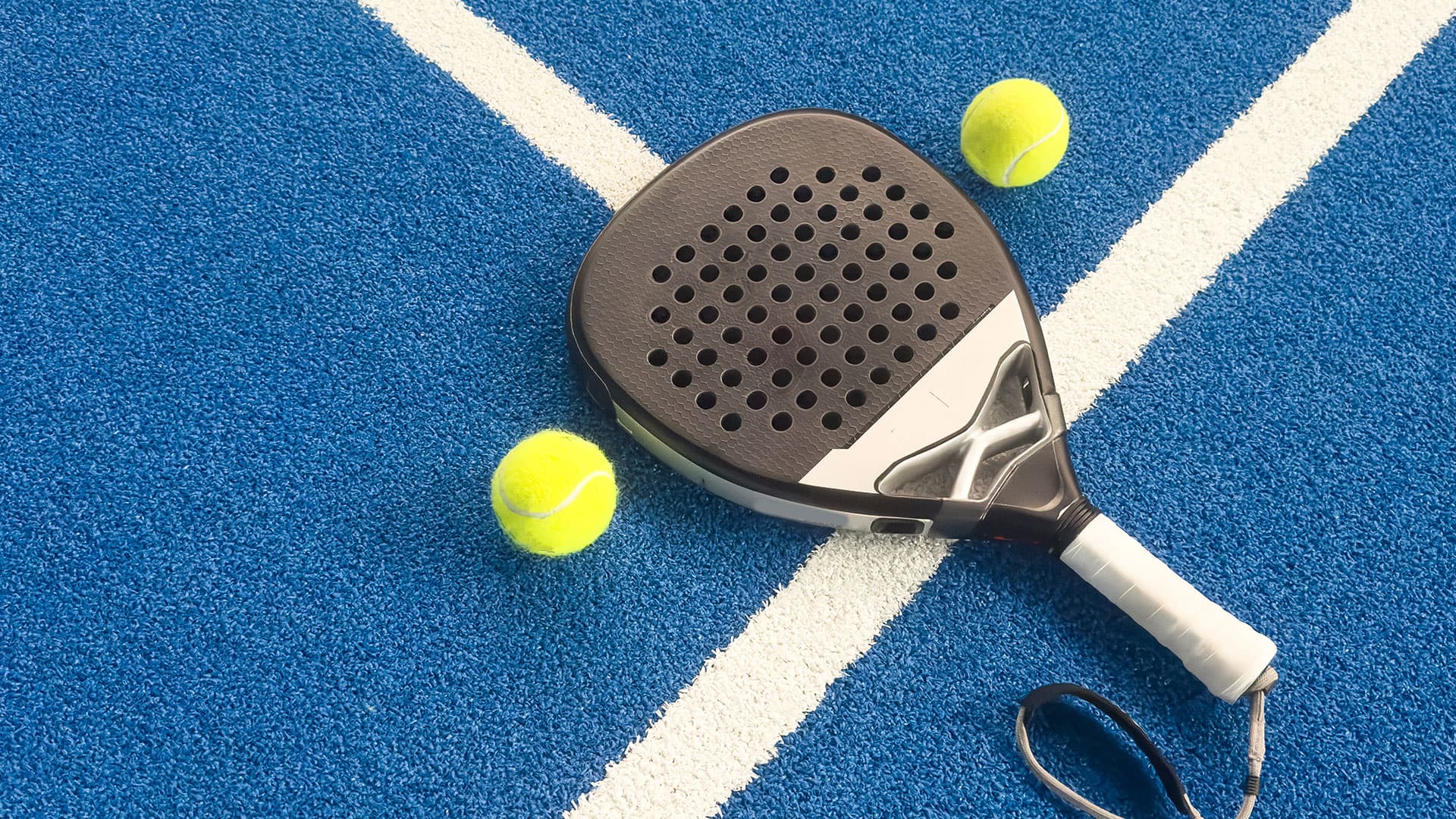
Understanding Padel Paddle Materials: Carbon vs. Fiberglass
One of the most important factors when selecting a padel paddle is the surface material. Most paddles are made from either carbon fiber or fiberglass, each offering different advantages.
Carbon Fiber Padel Paddles
Carbon fiber paddles are typically used by intermediate and advanced players who want precision and power.
Pros
- More durable and long-lasting
- Greater power on aggressive shots
- Better control and responsiveness
- Stiffer surface for precision placement
Cons
- Usually more expensive
- Can feel less forgiving for beginners
- Requires better technique to fully benefit from the stiffness
Carbon paddles excel when players want maximum performance, especially during volleys, smashes, and fast-paced rallies.
Fiberglass Padel Paddles
Fiberglass paddles are often preferred by beginners and recreational players because they are easier to handle and more forgiving.
Pros
- Softer feel on impact
- More forgiving on off-center hits
- Easier to generate ball rebound
- Typically more affordable
Cons
- Slightly less power and precision
- Not as durable as carbon fiber
- Can feel less stable during aggressive play
Fiberglass paddles help players develop confidence while learning control and consistency.
Padel Paddle Shapes and What They Mean
The shape of the paddle affects balance, sweet spot size, and power. There are three primary shapes commonly used in padel.
Round Shape (Control)
Round paddles are designed for maximum control and maneuverability.
Best for
- Beginners
- Defensive players
- Players who prioritize accuracy
Characteristics
- Larger sweet spot
- Lower balance
- Easier ball placement
These paddles help players focus on precision and consistency.
Teardrop Shape (Balanced)
The teardrop or hybrid shape offers a balance between power and control.
Best for
- Intermediate players
- All-around playing styles
Characteristics
- Medium balance
- Balanced sweet spot
- Versatility across different shot types
This is often the most popular paddle shape because it adapts well to many styles of play.
Diamond Shape (Power)
Diamond-shaped paddles are designed for maximum attacking power.
Best for
- Advanced players
- Aggressive playing styles
- Strong overhead and smash players
Characteristics
- Higher balance
- Smaller sweet spot
- More power in offensive shots
These paddles can be extremely effective but require strong technique and control.
Choosing the Right Paddle Weight
Weight affects maneuverability, control, and power. Typical padel paddles range between 340g and 375g.
Lighter Paddles (340g-355g)
Pros
- Faster reaction time
- Easier maneuverability
- Reduced arm fatigue
Best for
- Beginners
- Players who rely on control and quick movement
Medium Weight Paddles (355g-370g)
Pros
- Balanced power and control
- Stable during rallies
Best for
- Intermediate players
- Players developing a versatile game
Heavier Paddles (370g-375g)
Pros
- Increased power
- Stronger impact on smashes
Cons
- Harder to maneuver
- Can cause fatigue during long matches
Best for
- Advanced players with strong technique
Finding Your Perfect Padel Paddle
When choosing a paddle, focus on three key elements:
- Your Skill Level
- Beginners benefit from fiberglass and round shapes
- Intermediate players often prefer hybrid shapes
- Advanced players may choose carbon and diamond shapes
- Your Playing Style
- Defensive players prioritize control and forgiveness
- Aggressive players look for power and stiffness
- Comfort and Feel
The paddle should feel balanced and natural in your hand. Comfort is critical for avoiding fatigue and improving consistency.
Final Thoughts: Find Your Weapon
The right padel paddle can transform your performance. By understanding the differences between carbon vs. fiberglass materials, paddle shapes, and weight options, you can find the paddle that best matches your playing style.
Whether you prefer control, balance, or explosive power, choosing the right paddle is about discovering the tool that feels like an extension of your game.
Because on the padel court, the right paddle is not just equipment. It is your weapon.
Frequently Asked Questions
What is the best padel paddle for beginners?
Beginners should look for a round-shaped paddle with a mid-to-high balance point and fiberglass face. These offer more forgiveness and a larger sweet spot than carbon paddles.
Carbon vs fiberglass padel paddle — which is better?
Carbon paddles offer more power and spin but less forgiveness. Fiberglass paddles are more flexible, absorbing impact better — ideal for players still developing their technique.
How heavy should a padel paddle be?
Most padel paddles weigh between 355-390g. Lighter paddles offer more maneuverability; heavier ones generate more power. Most recreational players do best in the 360-375g range.