
I honestly can’t remember how I first came into contact with Allison Engel or whether or not I already knew Chattanooga, TN was home to one of the first-ever padel courts built in the U.S. when I first spoke to her a few years back.
However, I do remember that in the earliest days of my U.S. padel infatuation (circa 2021) I had read on Wikipedia that the U.S. Padel Association was founded there, of all places, clear back in 1993 — which struck me as a bit odd at the time.
So, when I finally connected with Allison and learned that not only did she work at the private girls’ school in Chattanooga on whose property one of the oldest padel courts in the U.S. technically sat, but also that she and a group of other racquet-sports lovers actually played on it semi-regularly and were hoping to find a way to restore it to its former glory, I was intrigued to say the least.
So intrigued, in fact, that just a few days later, I found myself on a FaceTime tour of the court with Allison and my fellow racquet-sports fanatic friend, Evan Brown (who is involved with multiple padel clubs around the country including Mink Padel in Harlem, Olympus Padel in Colorado, and The Padel Courts in L.A.).
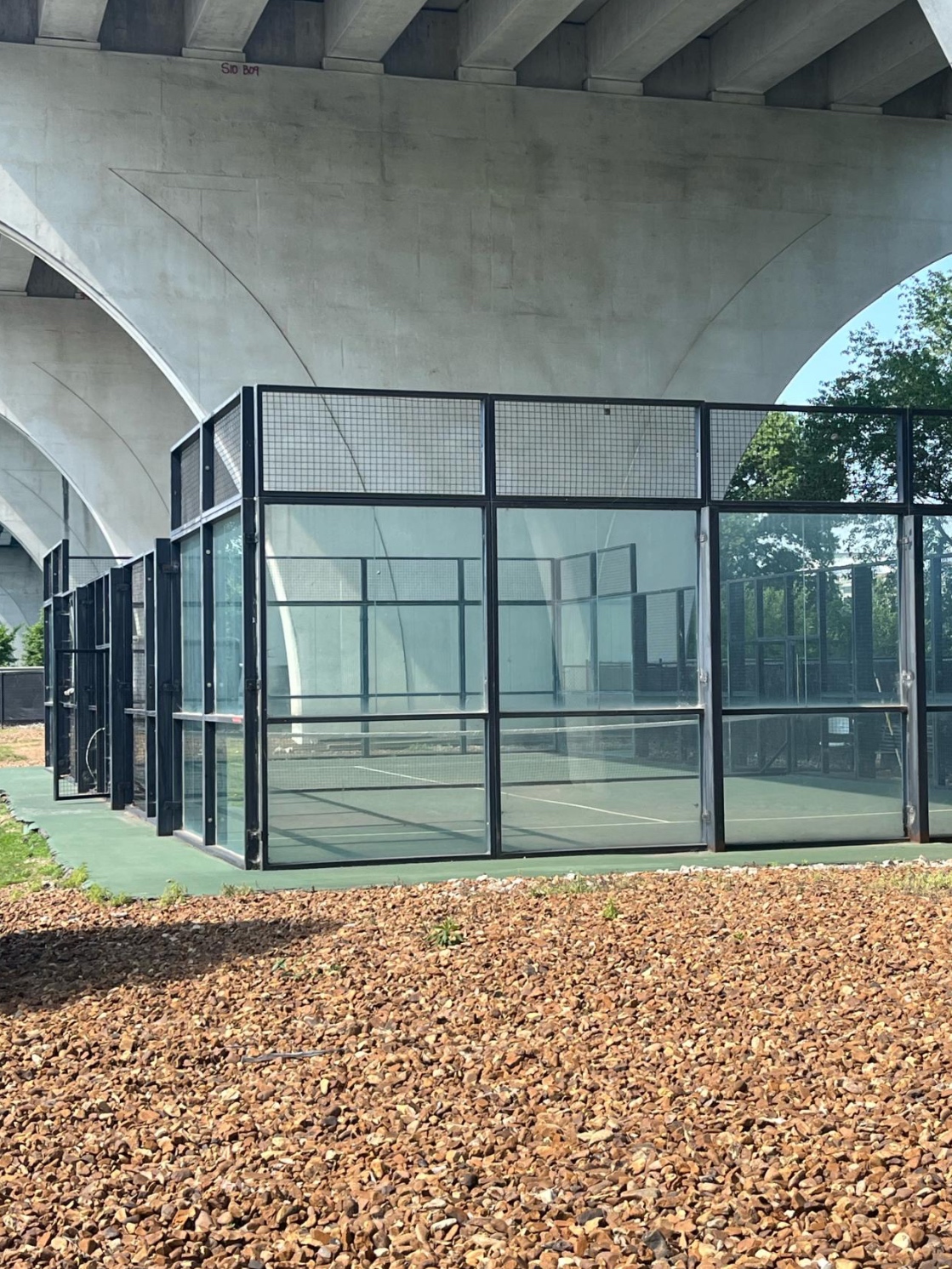
It was immediately clear to me both that the court had seen much better days since it first went up in 1996 (largely due to drainage issues from the Veterans Memorial Bridge it was built under) and that this was a rare piece of physical U.S. padel history worth trying to preserve.
So, I started reaching out to various people in my U.S. padel network thinking surely a patron of the sport or perhaps a court-building company looking for a unique marketing angle and plenty of goodwill would be interested in helping to keep this piece of U.S. padel history alive and well — but nobody really was.
In retrospect, maybe I should have tried harder or not been so idealistic as to think that someone would magically step in and save it purely for the love of the sport without any real financial incentive to do so.
But, at the same time, I figured if the Basque community could somehow keep one of the U.S.’s only pelota frontons operational for well over a century in downtown Boise, Idaho out of sheer love for the ancient sports played on it and its heritage, surely one of padel’s incredibly well-heeled new superfans would hear about this court and come to its rescue.
Sadly, I was wrong.
Allison, on the other hand, did try harder. And harder. And harder.
But over time her idealism faded to cautious optimism, before finally ending in utter frustration and bitter disappointment, as she lays out in an essay she recently shared with me, which you can read in its entirety just below.
Shattered Bullet Point
By Allison Engel
I could see the bullet point on my resume.
“Led collaboration with benefactors, investors, and management teams to restore and revitalize one of the first padel courts built in the United States, preserving a significant piece of American racquet sports history.”
After all, it was one of the reasons I was drawn to that particular job.
Tennis, pickleball, AND padel?
Wait, what? This is amazing.
Beneath a bridge in Chattanooga, Tennessee, sat a court built in 1996. Back in the 1980s, a group of friends traveled the world and fell in love with a sport they encountered along the way.
A temporary court was built and housed in various locations around town before a permanent court found its home on an independent school campus. With the Tennessee River as its backdrop, the shade and cover of the bridge was not only a picturesque location but a welcome respite from the southern summer sun.
With an asphalt base instead of turf and sand, heavy steel beams, and glass panels that had withstood decades of use, this court was an (almost) secret treasure to those who knew the game and its unlikely haven beneath Veteran’s Bridge.
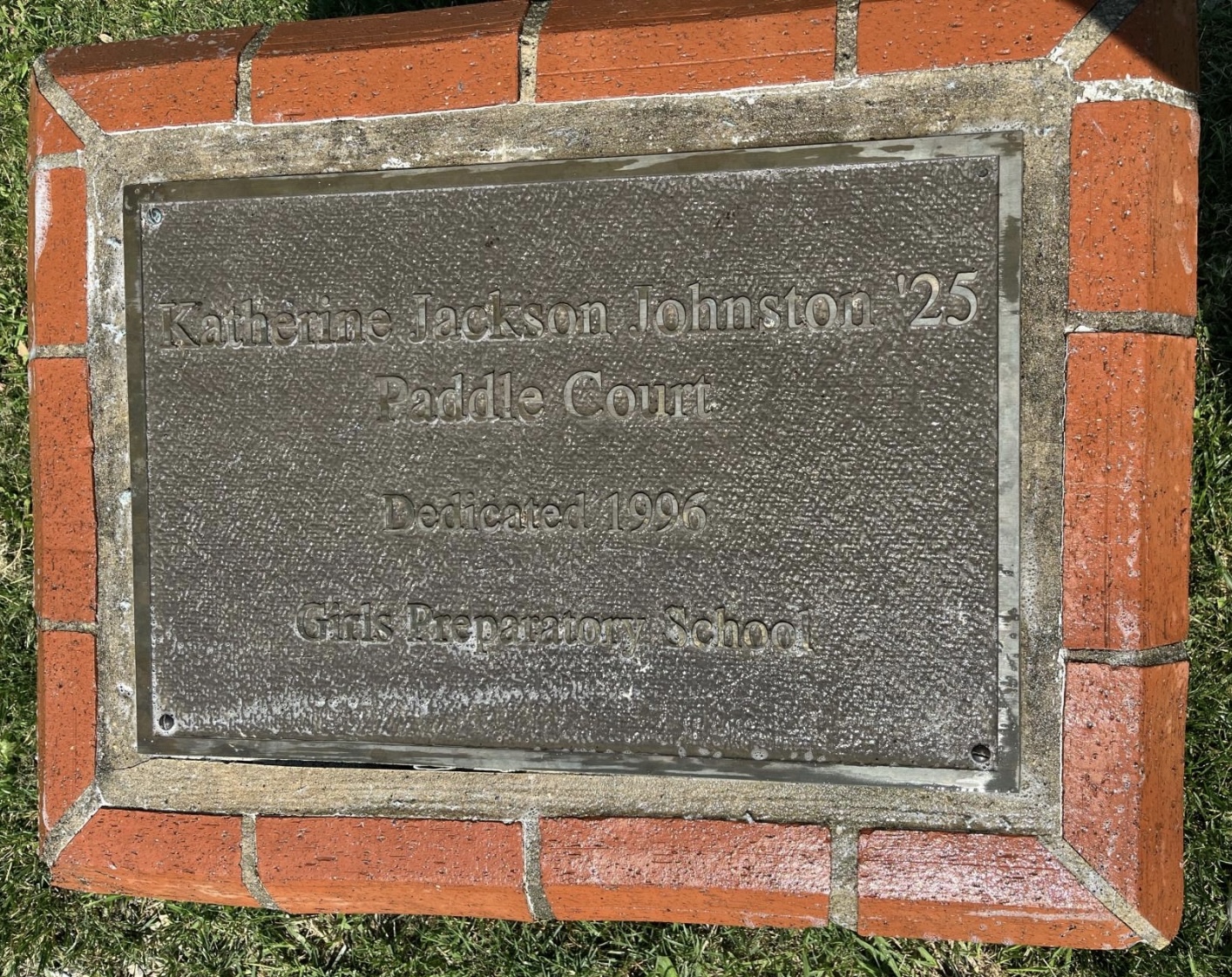
I never met Katherine Johnston, Class of 1925, whose name is on the dedication plaque. But through her generous donation, I met Susan, one of the sport’s original pioneers. The players Susan brought together over the years welcomed me warmly into their circle. I would often drift by the court to watch them play, occasionally jump in as a fourth, and, more than once, find myself lucky enough to be included in their holiday festivities.
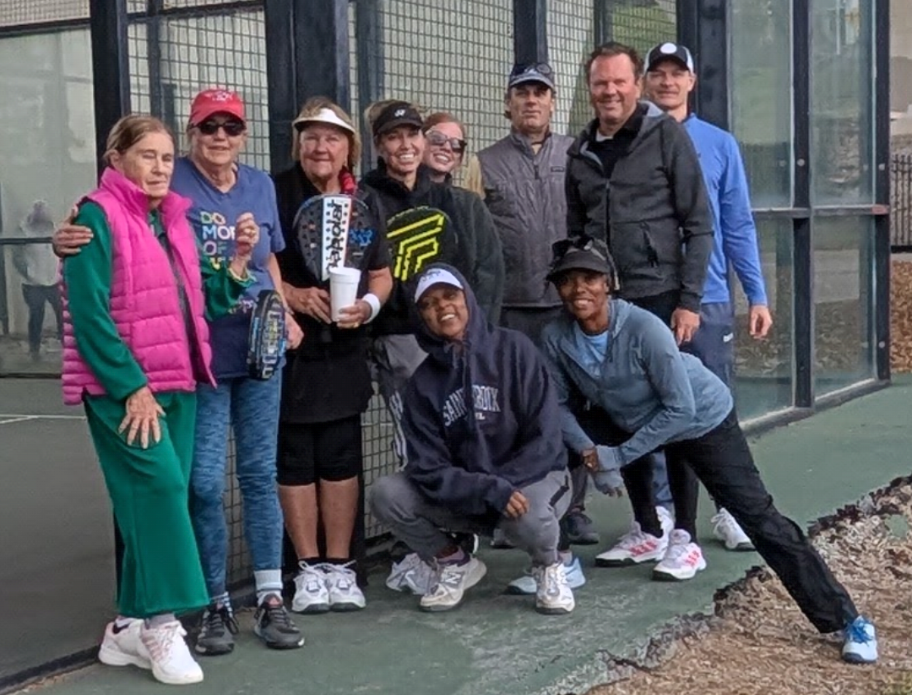
The padel group chats began. Susan’s son, John, brought along more friends from tennis and squash backgrounds, and from there, the circle seemed to grow daily. I purchased demo paddles so I could introduce the sport to others who were curious.
Coaches and players from the local professional soccer team, many already familiar with padel, became regulars. A few tournament-level pickleball players embraced the challenge of the walls, while Instagram videos piqued the curiosity of young adult athletes.
The more people heard about padel, the more we talked about it, and the more that once-small group grew into a community. Group chats turned into hours of play. Hours of play turned into happy hours, where conversations flourished, friendships took root, and new connections were made.
Before long, the court had become about so much more than the game. It had become a place where people came together, friendships were formed, and a community found its home.
Yet, the court wasn’t flawless. In many ways, the bridge had acted as a shield. The glass walls remained fully intact and were remarkably thick compared to modern courts, held securely by steel beams and deep layers of sealant. Even the playing surface was in good shape, considering its age.
But the very structure that protected the court was also quietly destroying it. Rain runoff from the bridge overhead had been improperly diverted, dumping water directly onto a single corner. Over the years, this constant moisture built up heavy rust, slowly eating away at the structural integrity of the steel beams, justifiably creating liability concerns.
I met with contractors, gathering estimates to repair and secure the steel beams that had accumulated rust over the years. I consulted with investors interested in modernizing the court while preserving its original character. I fielded offers for sponsorships and corporate donations. I met with padel installation experts. Surely, we’d grow the program enough to need more than one court.
Then came a pattern you might recognize:
Initial support → skepticism.
Data presentation → indifference.
Growing utilization → disinterest.
Wait, what? Surely, they could see the value. The potential. The positive impact.
I’ll do more.
Proposals → delays.
Direct questions → vagueness.
Then came a Friday night “heads-up” call in November 2025. The decision to demolish the court had been made.
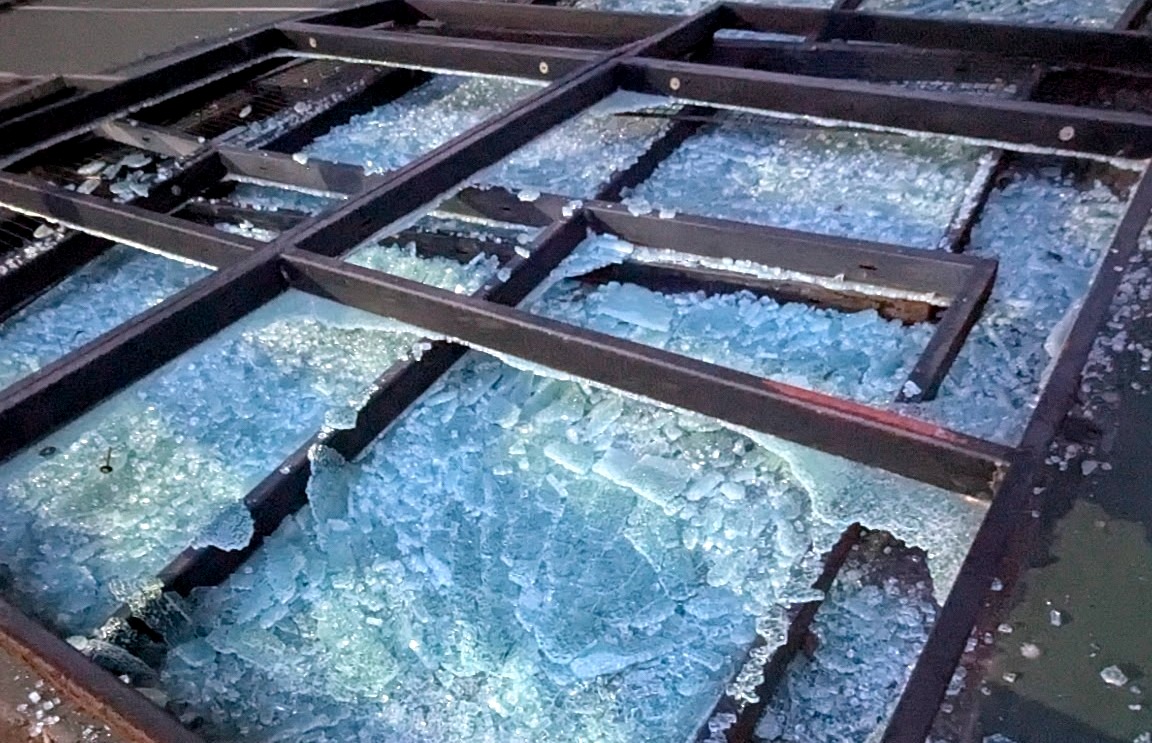
By 8 a.m. that Monday, the area beneath the bridge was covered in shattered glass.
Wait, what? Nothing happens that fast. Does it?
It felt personal. Initially but briefly, I entered a stage of inverted hope.
I hoped people would get angry. I hoped inboxes would flood with messages of disdain. I hoped someone would regret the decision. I hoped that, one day, someone would admit it had been shortsighted.
For those of us whose upbringing revolved around sport and competition, we tend to look for decisive outcomes. Did I win or lose?
It sure didn’t feel like a win. It certainly wasn’t a draw. There was no scoreboard, no final point, no post-match debrief with the coach.
I supposed it was a loss. Just as a loss on the court or field may sting for a bit, it doesn’t have to define the experience. We are given the opportunity to reflect, accept, grow, and compete again.
This feels different. What exactly had been lost?
A loss in one column can become something far more difficult to measure.
The relationships were still there. The conversations in and around the court had formed friendships that would remain and evolve. The people who had once gathered beneath a bridge were now connected to experiences, ideas, and opportunities far beyond it.
Perhaps the win was the community built around the old court: the ties between people who otherwise might never have crossed paths, the relationships that extend far beyond the physical boundaries of a structure or facility.
This was the part shattered glass couldn’t take away.
“Forged generational connections, bridging the space between the sport’s early pioneers and a new generation of enthusiasts.”
“Facilitated partnerships between padel players, local builders, benefactors, and entrepreneurs who became instrumental consultants to a new area sports club, helping bring two brand-new padel courts into its plans. (Arena Club, opening 2027)”
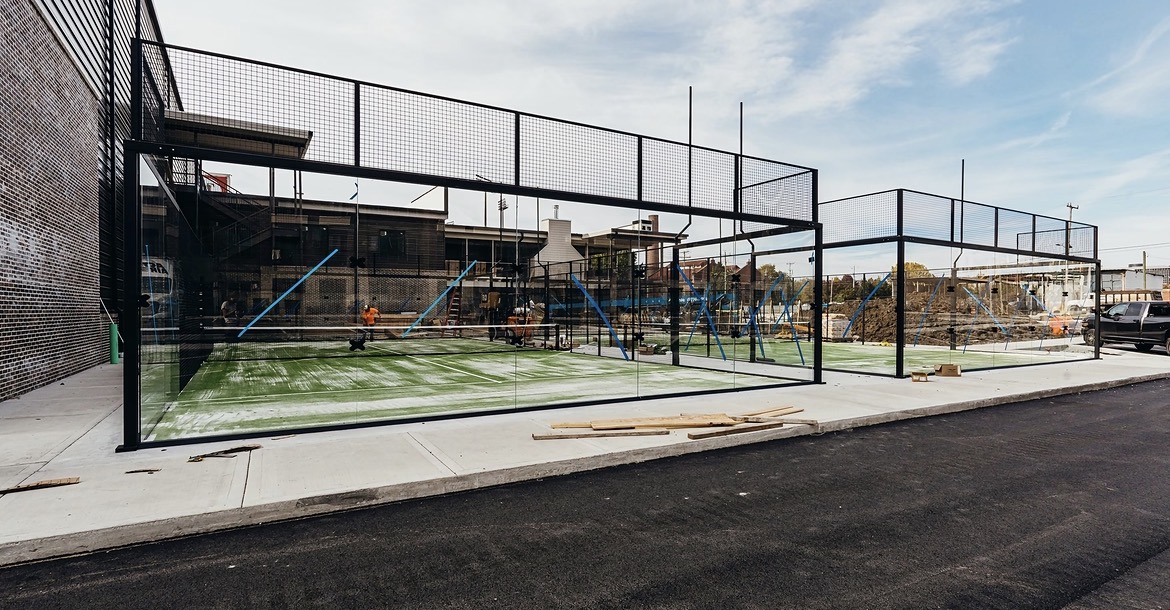
The original court may be gone. The beams and glass may now lie unrecognizable beneath a mound of earth. The vision may have changed.
But the connections remain. The relationships remain. The momentum remains. And the sport keeps growing.
Of course, I wish the historic court were still there. I hoped to preserve a piece of history. But the court was just a place. The community was the reason.
Maybe the bullet point was never meant to be about saving a court. Maybe it is about what happens when you bring the right people together around something you believe in.
Perhaps the most meaningful things we build are not always the things we can see.
Allison no longer lives in Chattanooga, but tells me she’s playing padel regularly in her new home state of Virginia.
And while the loss of the original court in Tennessee isn’t something she’s likely going to get over anytime soon, she happily reports that many of her former padel-playing friends are already christening the two brand-new courts at the soon-to-open Arena Club in downtown Chattanooga.
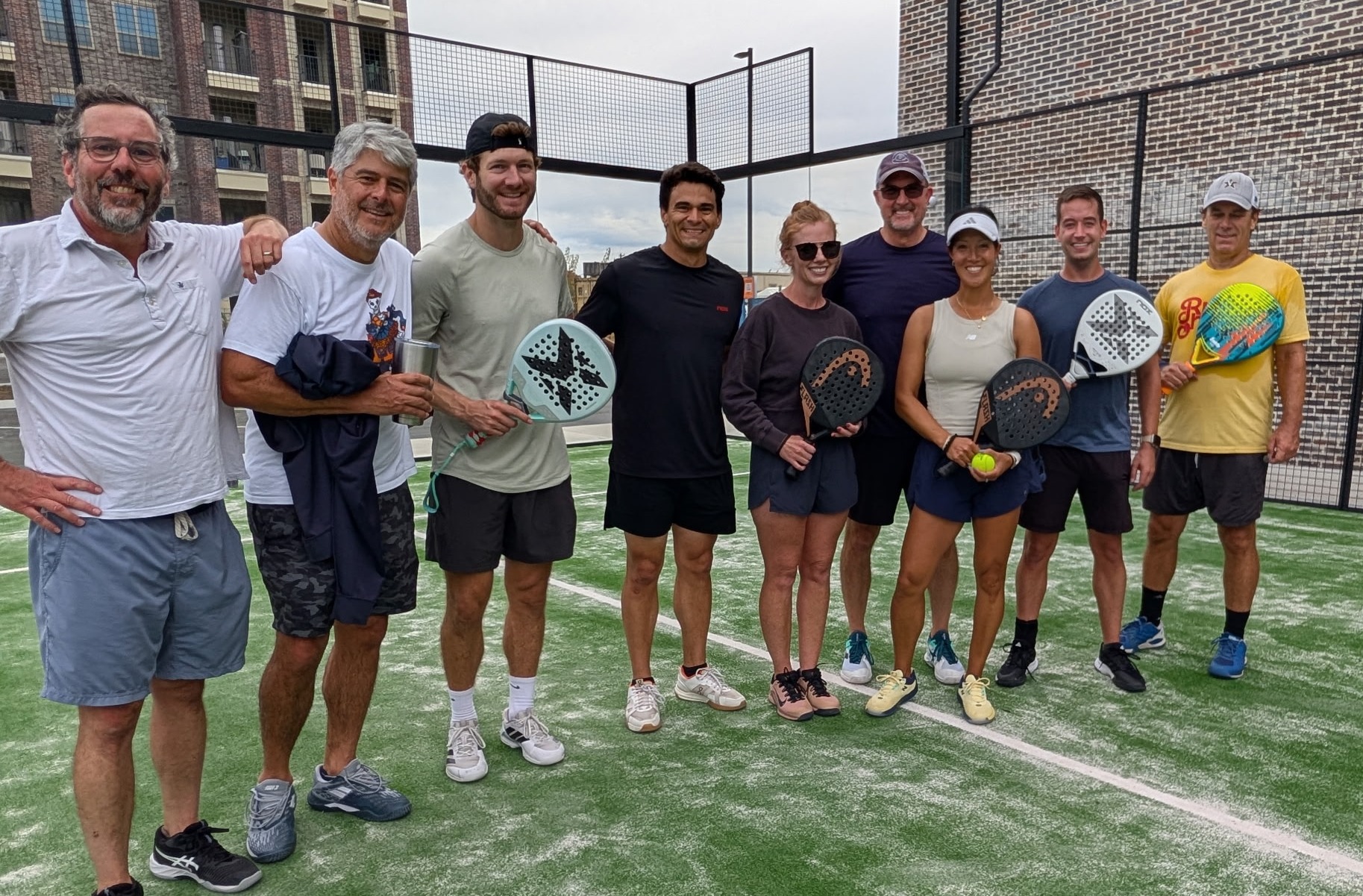
So, while it’s true that Scenic City lost an historic court and a sacred piece of U.S. padel history, they’ve obviously also gained a community of torchbearers for the sport that will no doubt continue to champion it across the state, the country, and the world well into the future — which I’d say is a meaningful thing, indeed.
If you enjoyed this article, please be sure to give it a like and/or restack below to help spread the word (yes, Substack has an algo, too!).
Please also consider subscribing to Padel Nation (for free!) to get exciting updates and important insights on the rapidly emerging U.S. padel scene like this one delivered directly to your inbox 2X weekly — or sharing it with a padel-playing friend.
Finally, as always, a big thank you to the friends and preferred partners of Padel Nation who help make posts like this possible, including:




Interested in becoming a friend or preferred partner of Padel Nation? Drop us a line here and let’s talk!
Oh, and one other thing… my brand-new 352-page padel book was just recently published. So, if you enjoy the work I’m doing in the U.S. padel space, you can support me by ordering a copy (or two!) online at Amazon or Barnes & Noble.
Or if you’re a club owner and you’d want to carry a handful of copies in your pro shop for “padel curious” people who are interested in trying the sport out but don’t know quite where to start, let me know and I can connect you with my publisher’s wholesale department.
Many thanks in advance!