
Editor’s note: The following (lightly edited) feature article is the eleventh installment of our “How I Became Obsessed With Padel” series from regular guest contributor Scott Matulis, a leading West Coast padel writer whose work you can find in numerous racquet-sports publications, including his own padel Substack.
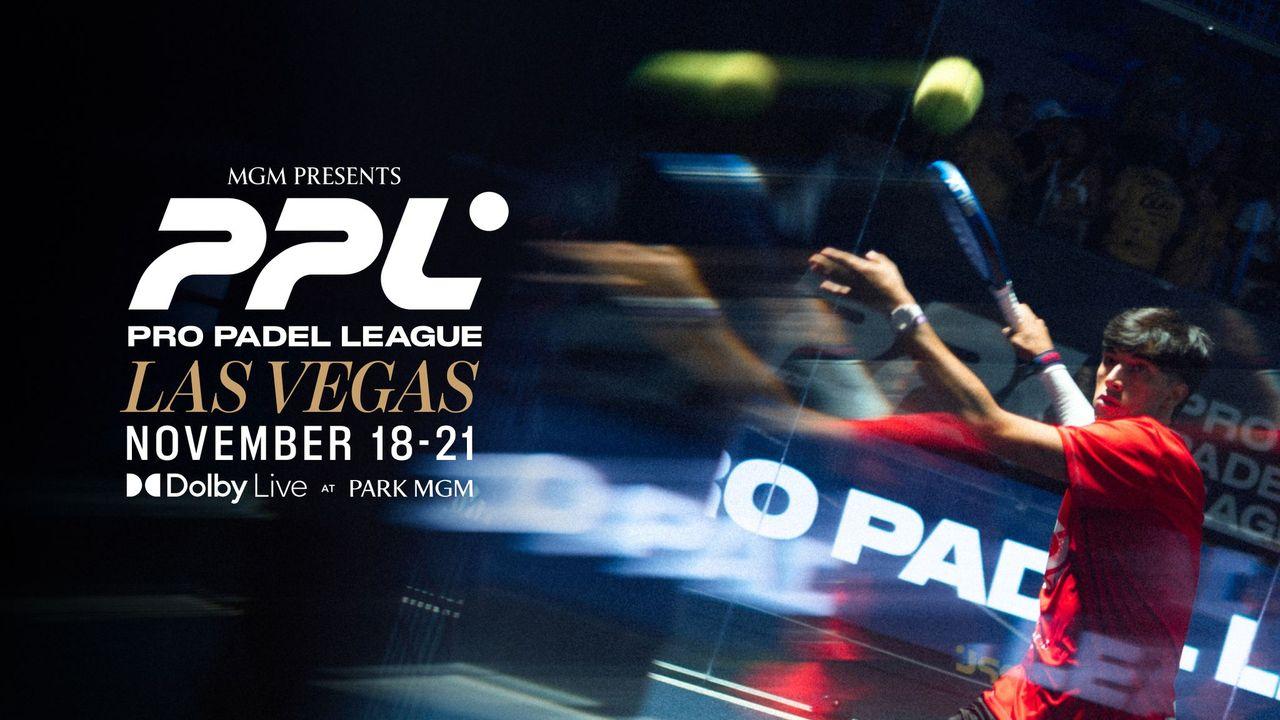
So, I’m in Las Vegas covering the season-ending Pro Padel League (PPL) match…
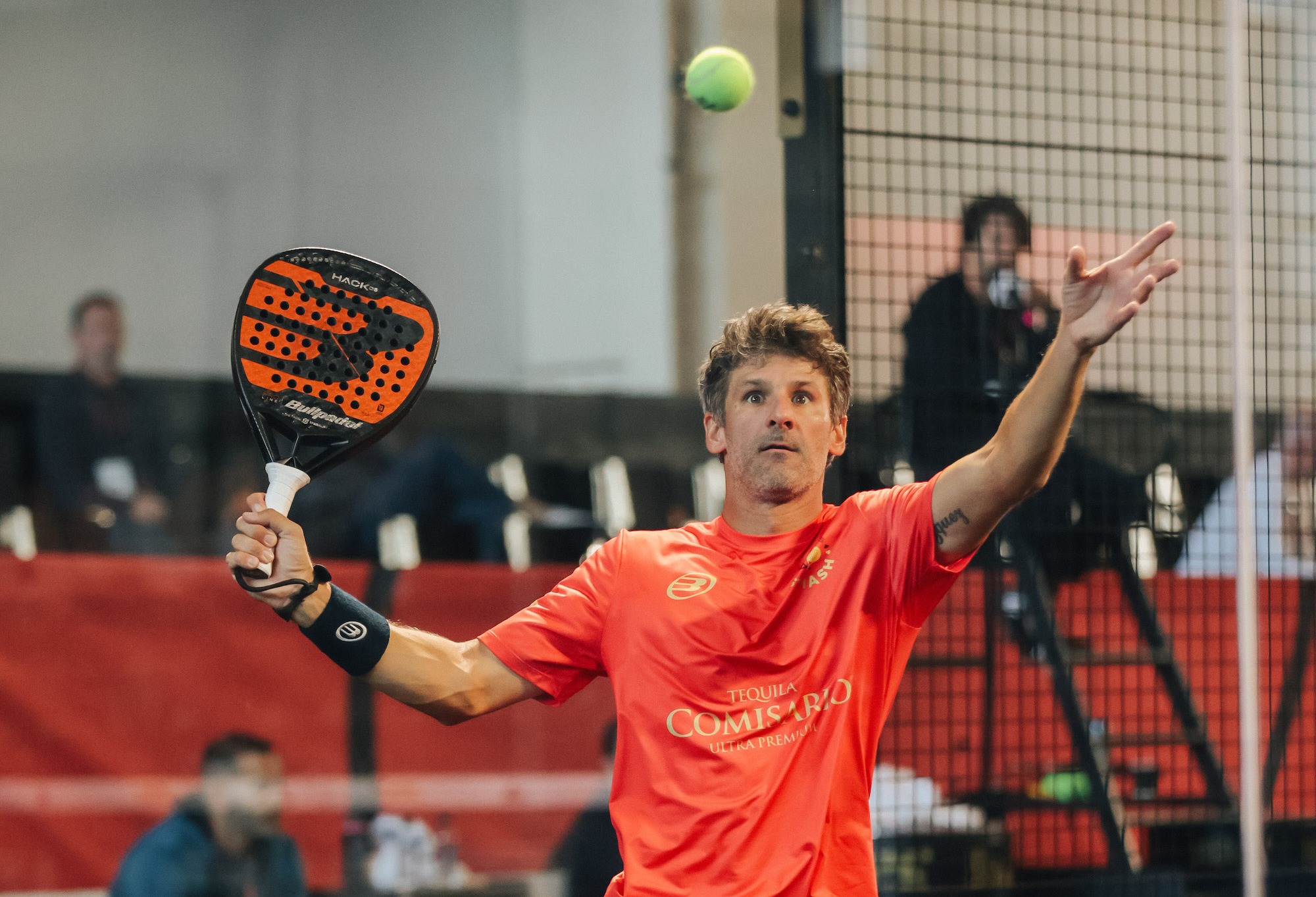
I’m sitting in the sun next to the exhibition court the PPL erected on the Bellagio Fountain Walk. The press conference is over and I’m interviewing Las Vegas Smash owner Alejandro Hernández about the Smash, the PPL, and the quality of the players in the league. One of the Smash guys was standing a few feet away.
Hernández nodded over at him and said, “He’s a former top 30 in the world in Premier Padel. He’s a former number one in the U.S.”
I looked over. No idea who the guy was, but man, he had great hair.
Hernández continued:
In my opinion, Guga Vázquez is the single most important padel player in the history of U.S. padel, period, end of story. He’s one of the pioneers of the growth that we’ve seen in padel in the last four years. No question in my mind.
Well then, if you are the single most important padel player in the history of U.S. padel and you are in the vicinity, I’m going to interview you or at least meet you.
Twenty minutes later, Hernández introduced me to Vázquez and he agreed to sit down for a chat. This is what I learned about how Guga Vázquez became obsessed with padel…
So Alejandro says you’re the most important padel player in the history of U.S. padel. What do you think?
Ha. He loves me, but I don’t know. I’m here from the beginning. I won the first PPL, I was number one in the U.S. in 2023, the first U.S. Open champion. I won lots of titles before anybody. I’ve been coaching at Reserve since 2024. Important for sure.
Tell me your padel journey. How did you start out playing?
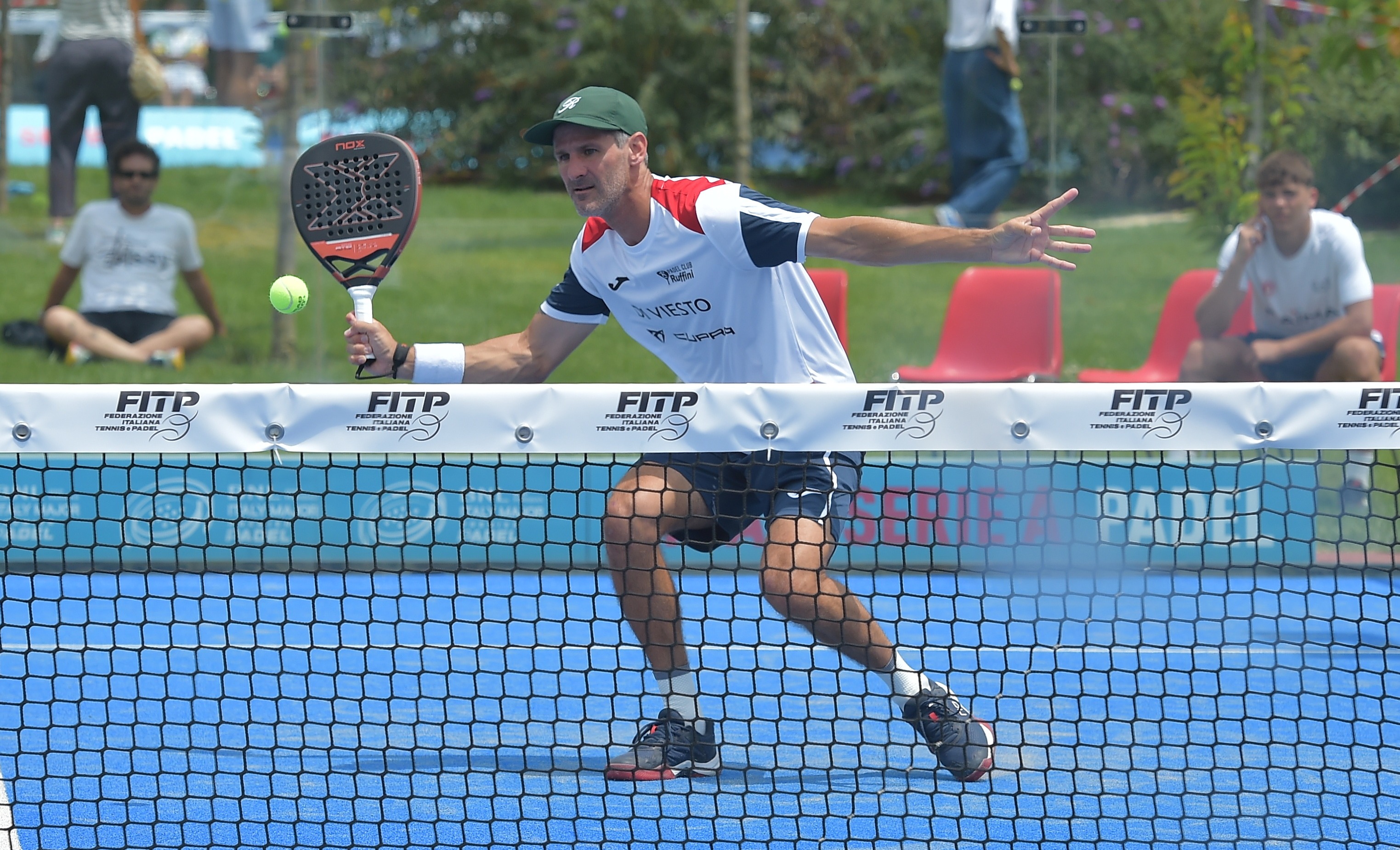
I was born in Argentina in ‘85. So, I started really early because in that moment it was the boom for padel in Argentina. And my father started playing, and I was going with him to the club. I think I started playing at six years or seven years old. And from there, I never stopped.
I started in the school, in the club, like every Saturday morning. I started competing really, really young too, at eight or nine. And I have competed all my life with the same guy. My first partner was the same partner until I was 18 or 19 years old. We became professionals together.
Who was that?
Daniel Sandoval. From Argentina, from Quilmes, where I was born. And yeah, we played all the Junior World Cups together. We become professionals together.
When did you know you were good? Like, when did you start thinking, “Hey, I might be a professional?”
I started playing professionally at 16 years old. So, always it was like fun, not like ‘I want to be number one’ or, like a job. We had a huge group of friends playing in the tournaments. We traveled together all the time, and we always had good results, so we are good.
But school, I don’t like the study and university, all that, so I decided to play professionally. Like for a job, you know? And I moved to Spain because the most important circuit for professionals was in Spain at that moment. So I moved to Spain at 20, 21 years old.
Wow. And who did you live with? Like, where did you go?
To Madrid, because my coach was there, in one little town close to Madrid, called Robledo de Chavela. Gustavo Pratto. He’s the coach of the number one couple in the world, Coello and Tapia.
And, yeah, I lived like one year there, and the conditions for padel at that moment were so much different than they are now. We didn’t make any money. Nothing. Like, 60 bucks for the first round, so nothing. And the level was so high. So, in the beginning, for me, it was really, really hard because I had to do, like, eight hours of lessons every day, and train, and compete. It was impossible to do.
And then I moved to the north of Spain to Bilbao, and I lived there, like, the other half of my life. And I have really good memories from there.
So, do you still live there now or are you here?
No, now I live here in Miami.
Yeah, we always get the best people from all the sports moving here. What brought you to the United States?
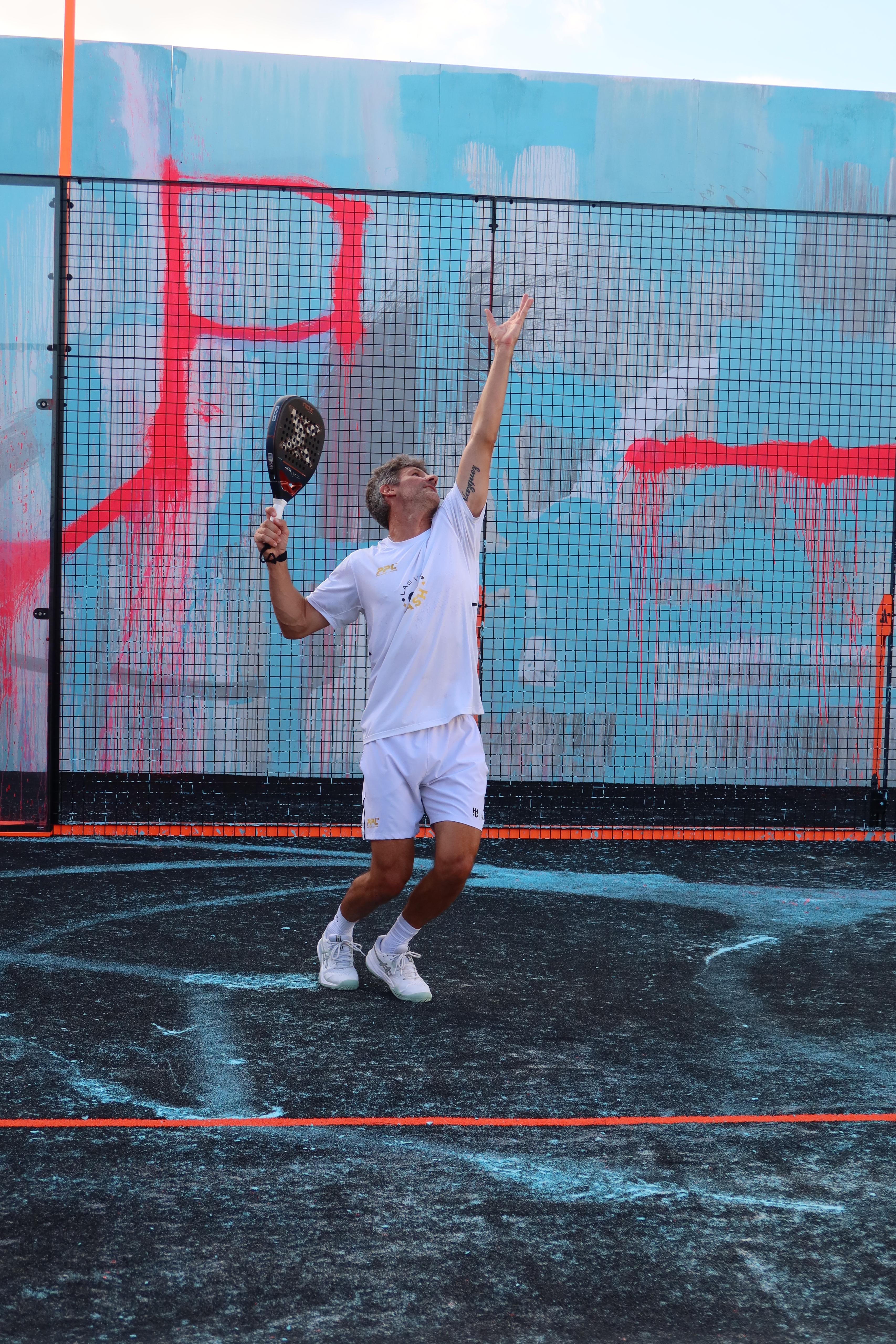
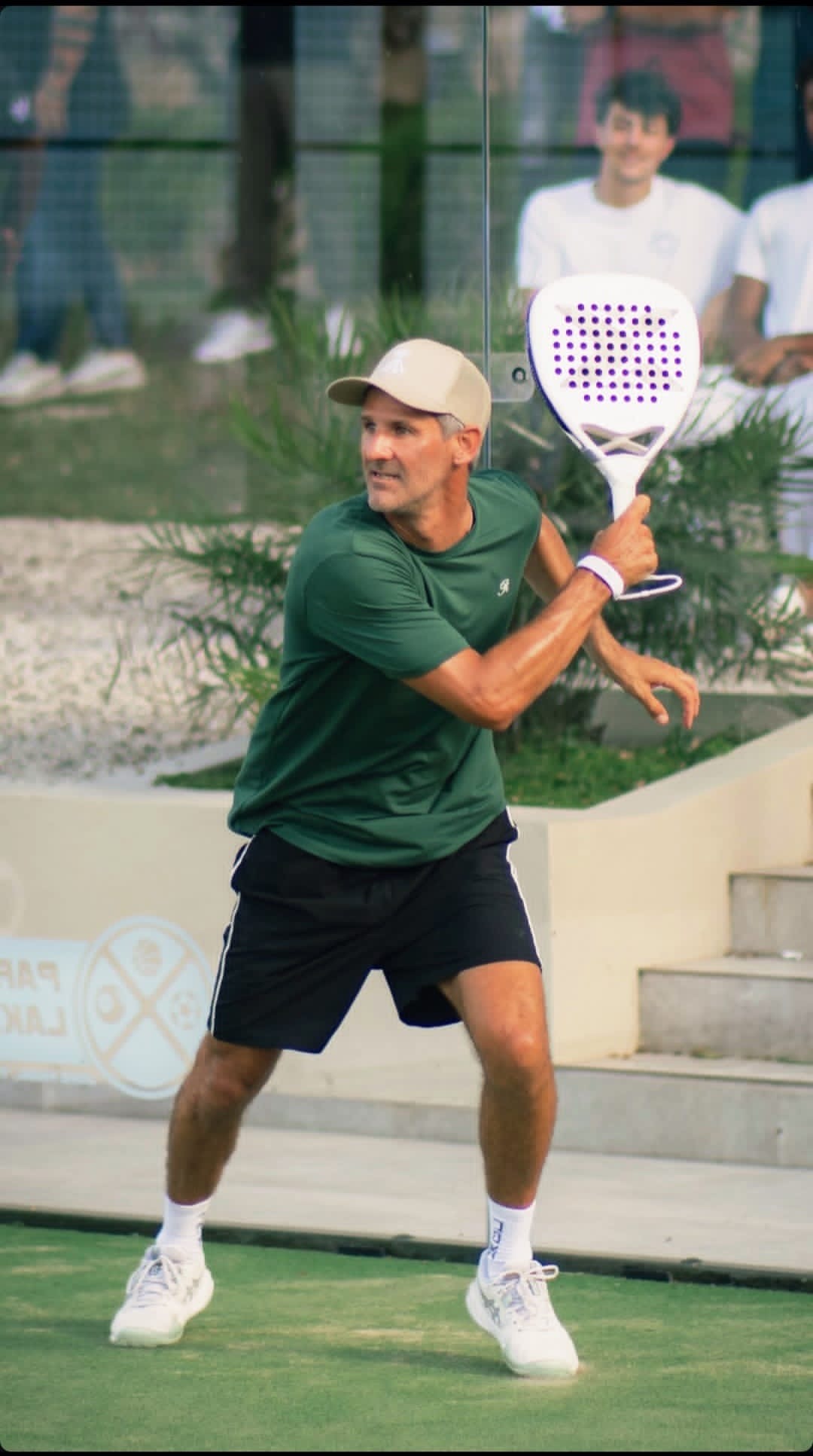
I came for the first PPL season. I saw the PPL on Instagram. I signed for the draft, and Las Vegas Smash picked me, and I came to play. The first season was, like, one month and a half in Tampa. We won the first season, and I met a lot of new people, and I saw an opportunity for me in this country. Padel maybe, is growing up here, and I wanted to be here. I’m working at Reserve. Reserve Miami.
So you’ve been here for a while. Why do you think it took so long for padel to come to the United States? And why is it coming now? Like, what is it about right now?
I think, because now the sport is growing up all over the world, in Australia, in America. In Argentina and in Brazil, it’s huge, again, because it was huge in the ‘90s, then it went down, and now it’s huge again.
And I think it’s because we have a lot of tournaments all around the world, and the players are amazing. They do crazy things, and so everybody started looking at the game, like, ‘What is this?’ They want to try. And it’s more popular, popular, popular.
I think in the U.S., football, ice hockey, baseball are the main sports, and it’s not easy for a new sport here to have an explosion like padel is doing. But it’s happening.
You’ve been with the PPL for a while. What’s your take on its success so far? I imagine introducing a new pro sport is challenging.
It’s challenging for sure. The first season was people like me, like, semi-retired, but in the second season, all the best players in the world came to play, and it was amazing. But that is impossible to do all the time, because these guys have other tournaments to play. They have to travel a lot. But now the PPL is making a good investment for padel, and next year, we have a nice project, a new beginning, and we’ll see what happens.
But I think it’s important to have a league, the best players here in the country to play, and the people watch, and the people try. It’s a way to make the sport bigger and bigger.
If you enjoyed this article, please be sure to give it a like and/or restack below to help spread the word (yes, Substack has an algo, too!).
Please also consider subscribing to Padel Nation (for free!) to get exciting updates and important insights on the rapidly emerging U.S. padel scene like this one delivered directly to your inbox 2X weekly — or sharing it with a padel-playing friend.
Finally, as always, a big thank you to the friends and preferred partners of Padel Nation who help make posts like this possible, including:


Interested in becoming a friend or preferred partner of Padel Nation? Drop us a line here and let’s talk!
Oh, and one other thing… my brand-new 352-page padel book was just recently published. So, if you enjoy the work I’m doing in the U.S. padel space, you can support me by ordering a copy (or two!) online at Amazon or Barnes & Noble.
Or if you’re a club owner and you’d want to carry a handful of copies in your pro shop for “padel curious” people who are interested in trying the sport out but don’t know quite where to start, let me know and I can connect you with my publisher’s wholesale department.
Many thanks in advance!